New Yamaha 2020 ebike motors – PW-X2 and our first ride impressions
For model year 2020, the Japanese brand introduces the new Yamaha PW-X2 eMTB motor, aiming to set a new performance benchmark. We have all the key information about the new PW-X2 here, our exclusive first ride impressions and more!
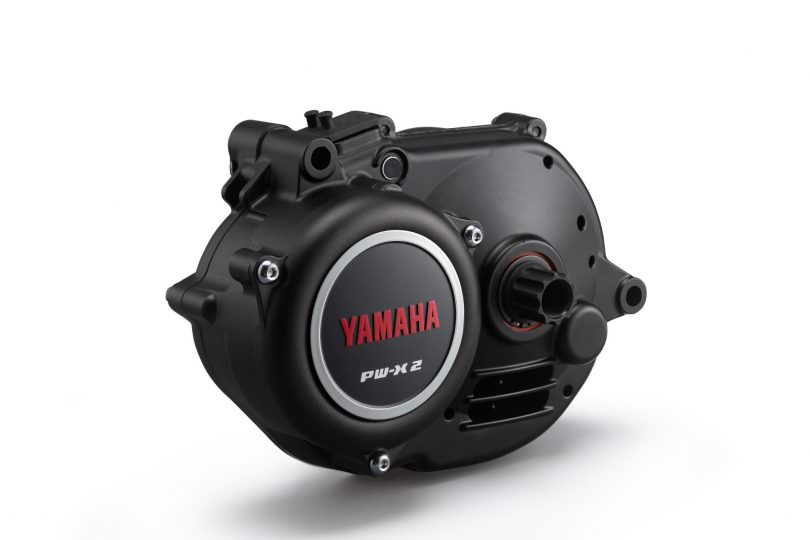
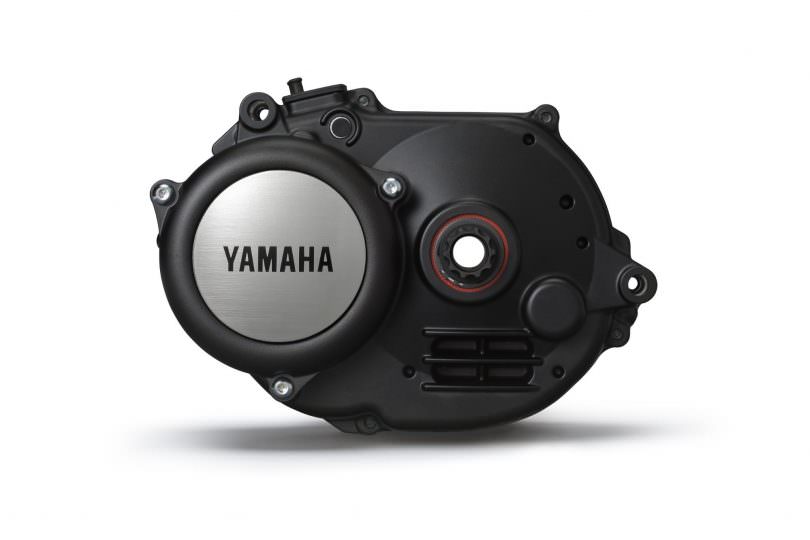
The new Yamaha PW-X2 motor is based on the same hardware as the current PW-X. Now, extra sensors and updated firmware seek to eliminate the weaknesses that we found in our big motor group test. There are three key new features on the Yamaha PW-X2 2020:
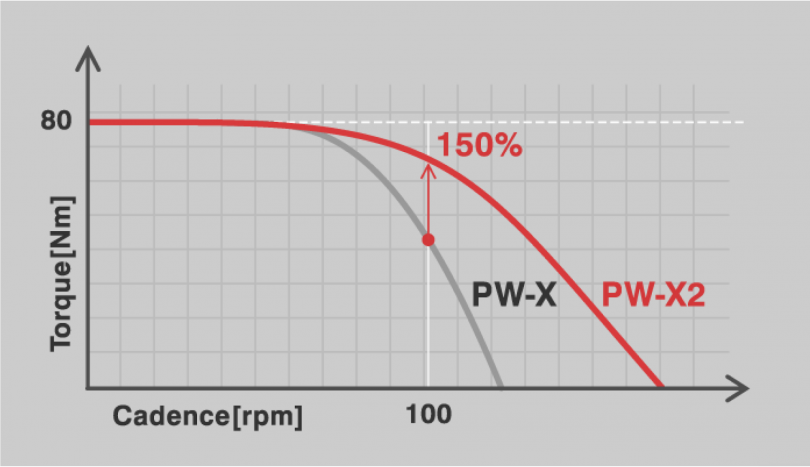
More support at higher cadences: Above a cadence of 80 rpm, the performance of the current PW-X model drops significantly. The new Yamaha PW-X2 2020 motor is designed to provide support over a much wider cadence range. According to Yamaha, the new model provides up to 50% more power than its predecessor at a cadence of 100 rpm.
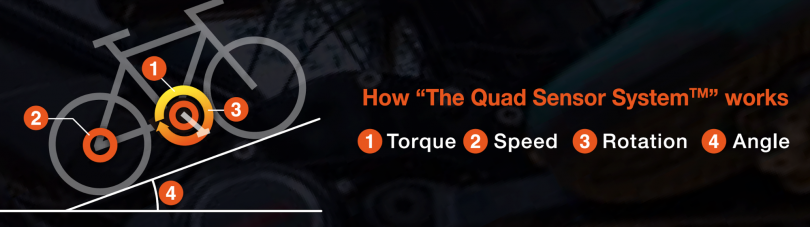
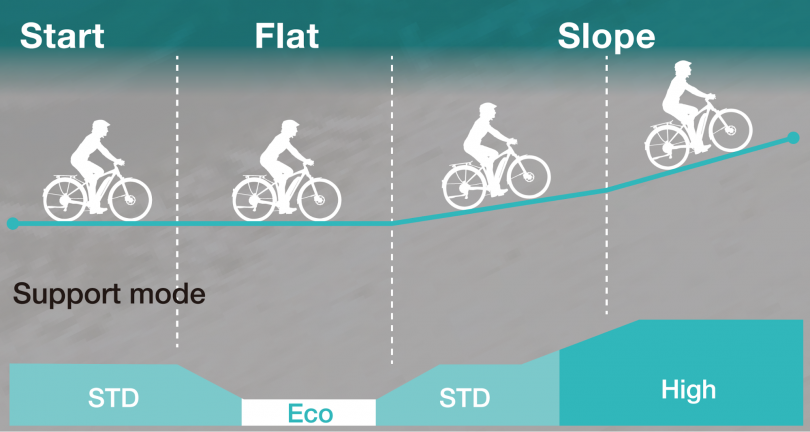
More sensors: The Quad Sensor System allows the motor to determine if and how steep the bike is going up- or downhill. The system combines this information with data from the speed, cadence and torque sensors, giving the motor some smarts and allowing it to assess riding situations better – that results in…
Automatic Support Mode: Making use of the Quad Sensor System, the new Yamaha PW-X2 motor is equipped with an automatic mode, which adjusts the support sensitively and responsively to the riding situation.
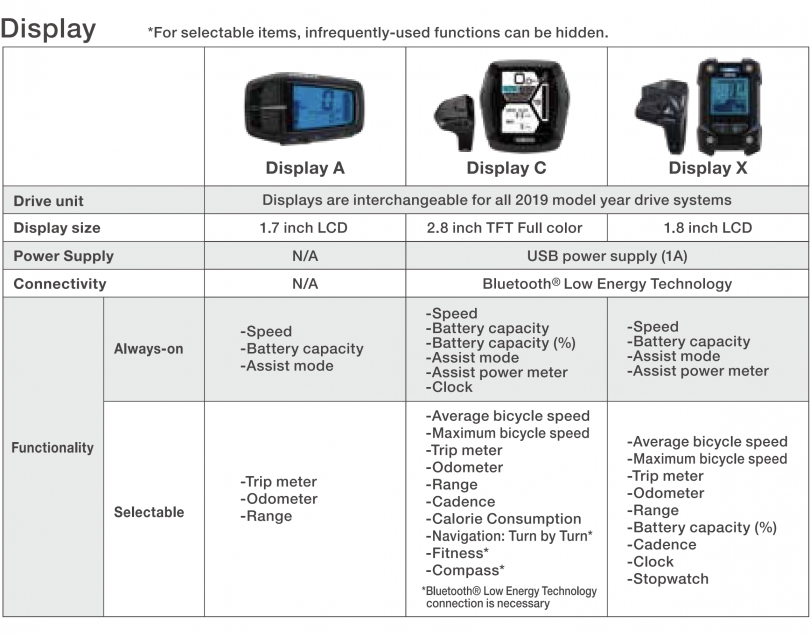
The updated PW-X2 has the same specifications as the current Yamaha PW-X: 250W nominal power, 80Nm torque in “Extra Power” mode and 70Nm torque in High/STD/Eco/+Eco mode. Yamaha offer a wide range of options to complete the system, including batteries, remotes and displays. The PW-X2 is compatible with all Yamaha batteries, including the internal 600 Wh “Multi Location 600”, various external options and a new 400 Wh internal option. Yamaha’s three displays range from a simple minimalist system to a full-on control centre with navigation and app integration. Alternatively, manufacturers can choose to use third-party batteries and displays. The Yamaha PW-X2 2020 is also available as a “speed” version for S-Pedelecs, providing motor assistance up to 45 km/h.
First impressions
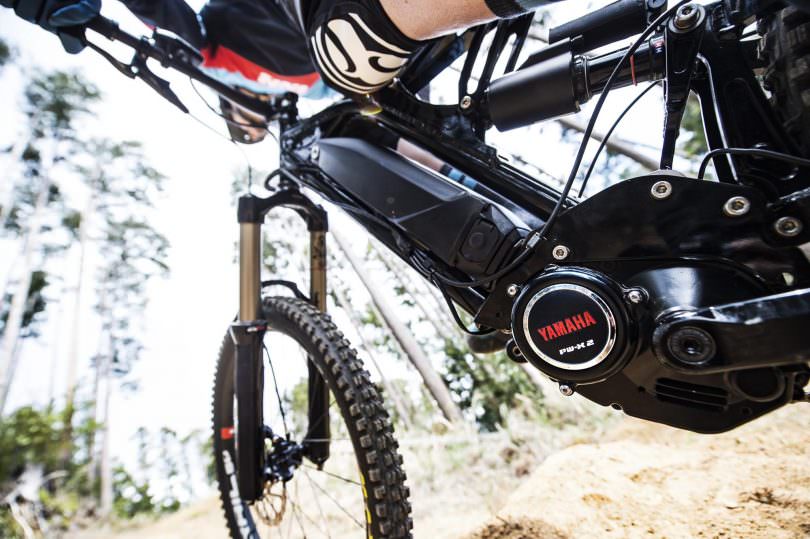
With the new PW-X2 motor, Yamaha is making important updates to keep pace with the competition. We have already had the exclusive opportunity to ride the new motor and can confirm that the wider cadence range improves off-road performance. Above all, sporty riders with high cadences and fans of short cranks will be pleased about it. At lower cadences, the PW-X2 remains just as powerful as the previous model.
We would have loved to see the start-up modulation programmed into the new entry-level PWseries ST in the PW-X2 too. The current Yamaha motors can be hard for beginners to get used to because they surge forward with the slightest pressure on the pedals. Occasionally that results in spinning rear wheels, rising front wheels or a nasty surprise when you accidentally activate the motor at a standstill – a criticism we raised previously in our big motor group test. The Yamaha PWseries ST 2020 provides significantly more control and easier hill starts as the system effectively modulates its support in High Mode during the initial pedal strokes.
The first impression of the PW-X2’s new automatic mode is very good. It allows for a more dynamic riding style and instead of worrying about selecting the right support mode, you can now concentrate fully on the terrain. How does it compare to the new Bosch eMTB mode and Shimano Trail mode? We will tell you soon. The first production bikes fitted with the new motor will be presented this month and we’ll keep you updated as we get the chance to ride them!
For more information head to yamaha-motor.com
Did you enjoy this article? If so, we would be stoked if you decide to support us with a monthly contribution. By becoming a supporter of E-MOUNTAINBIKE, you will help secure a sustainable future for high-quality cycling journalism. Click here to learn more.
Words & Photos: Robin Schmitt